
Urban Routes
From the majestic Cathedral to its squares, parks, and lively corners, the urban routes guide you through a city where every street tells a story and every step invites you to keep exploring.
Renaissance Burgos
This route takes us through 16th-century Burgos, a city at the height of its commercial and cultural splendour. It attracted some of the greatest Central European artists of the time, who left their mark on several important buildings concentrated in the southern area of the city.
The Cid Route
The following route allows visitors to recognise the main preserved sites directly linked to Rodrigo Díaz de Vivar and the epic poem El Cantar de Mio Cid. From Vivar to Burgos, on his path into exile, El Cid arrives in the city where his home once stood and where many of the knights who would follow him on his adventure lived. From the Solar del Cid — where his palace once stood — to the Church of Santa Águeda, where the famous oath to King Alfonso VI took place, passing by the Cathedral, the Arco de Santa María and the San Pablo Bridge. At the end of the Paseo del Espolón you’ll find the equestrian statue of El Campeador, located in Plaza del Mio Cid. This monumental bronze sculpture was created by Juan Cristóbal with the collaboration of architect Fernando Chueca Goitia and inaugurated in 1955. Beside it, on the San Pablo Bridge, stone figures represent people closely connected to the Cid.
Gothic Burgos
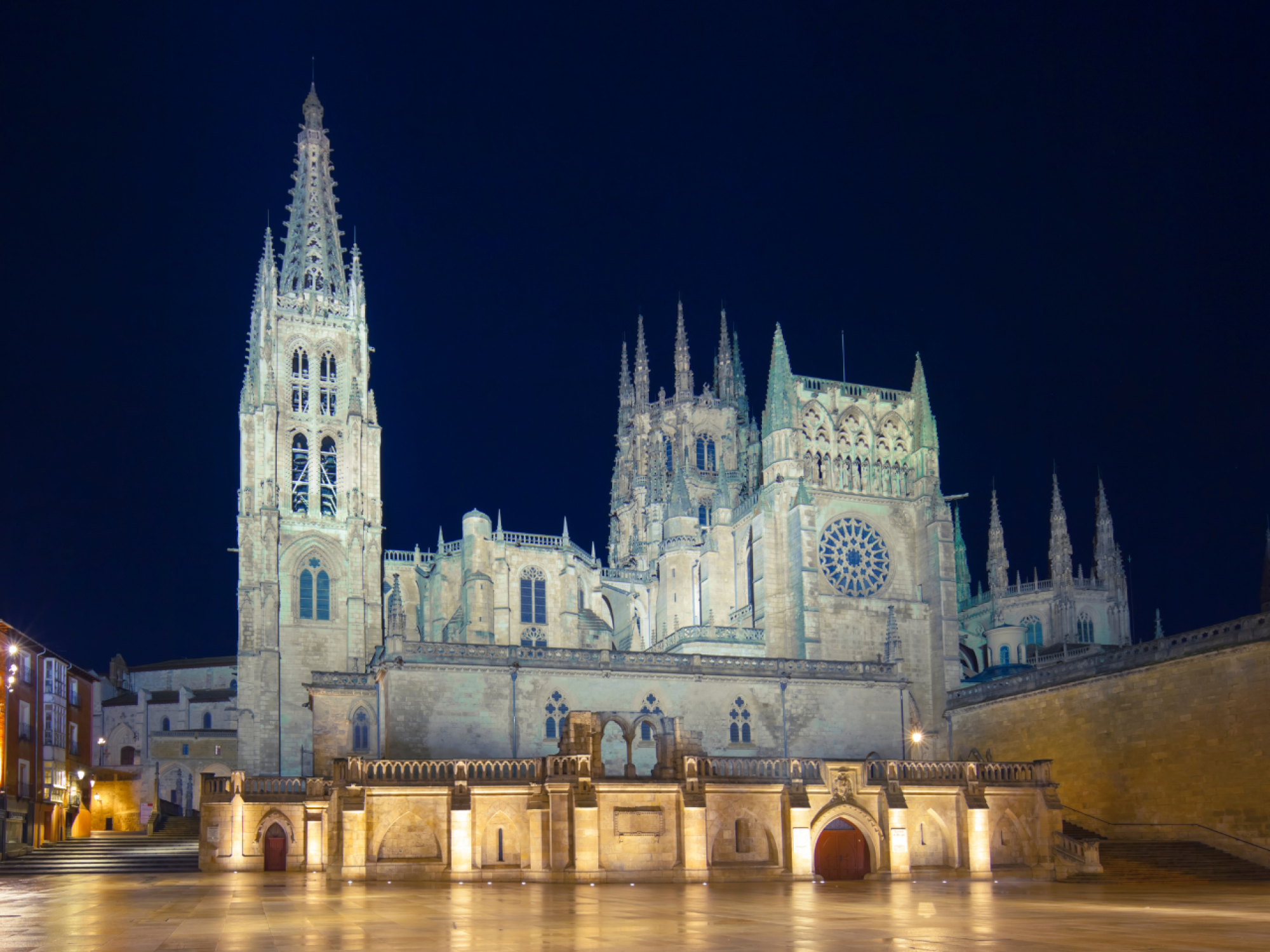
Burgos experienced an extraordinary artistic boom between the 13th and 15th centuries. Gothic art finds its highest expression in the Cathedral. Around it, a medieval district preserves beautiful churches and civil monuments. The churches of San Nicolás de Bari, San Esteban, San Gil and the Casa del Cordón — the city's most important civil building — all reflect this historical splendour.
Walk around the Castle
A visit to the Castle and its surroundings is not only a journey to the origins of the city, but a first-class cultural experience: from the archaeological and historical treasures of the fortress itself to the diversity of its park, the largest in Burgos, where local flora and fauna can be discovered throughout its paths and in the Bird Interpretation Centre.
Route of Light
After sunset, the city transforms. Illuminated monuments take on a different and very appealing appearance. The tourist train, which begins its route next to the Cathedral, allows visitors to enjoy this experience in a comfortable and pleasant way.
Walled Burgos
This route recalls the fortified past of Burgos. In the year 884, Count Diego Porcelos founded the city and its castle atop La Blanca hill, from where the layout of the town developed. The fortification offers visitors exceptional views of the old walled city with its gates and monuments.
The route begins at the Paseo del Espolón, an 18th-century promenade marking the expansion of the city. Along it stands the Consulate of the Sea, a 17th-century building reflecting Burgos’ commercial past. A little further on, visitors reach the most important entrance to the medieval city, the Arco de Santa María. Continuing along the Paseo de la Isla, the extension of the Espolón, and then the Paseo de los Cubos — which preserves the longest remaining section of the medieval wall — you will find the Puerta de la Judería beside the old Jewish quarter, one of the most active communities in the 13th century.
Before reaching the fortress, visitors pass through the Arco de San Martín, a Mudéjar-style gate and the westernmost access of the wall, used by pilgrims on their way to Santiago. Beyond the arch lies the Solar del Cid, where tradition places the Cid’s urban residence. Behind it rises the Castle Hill, accessible via steps leading to the Castle Viewpoint, which offers an exceptional panoramic view of the old walled enclosure and the entire city of Burgos.
Museum Route
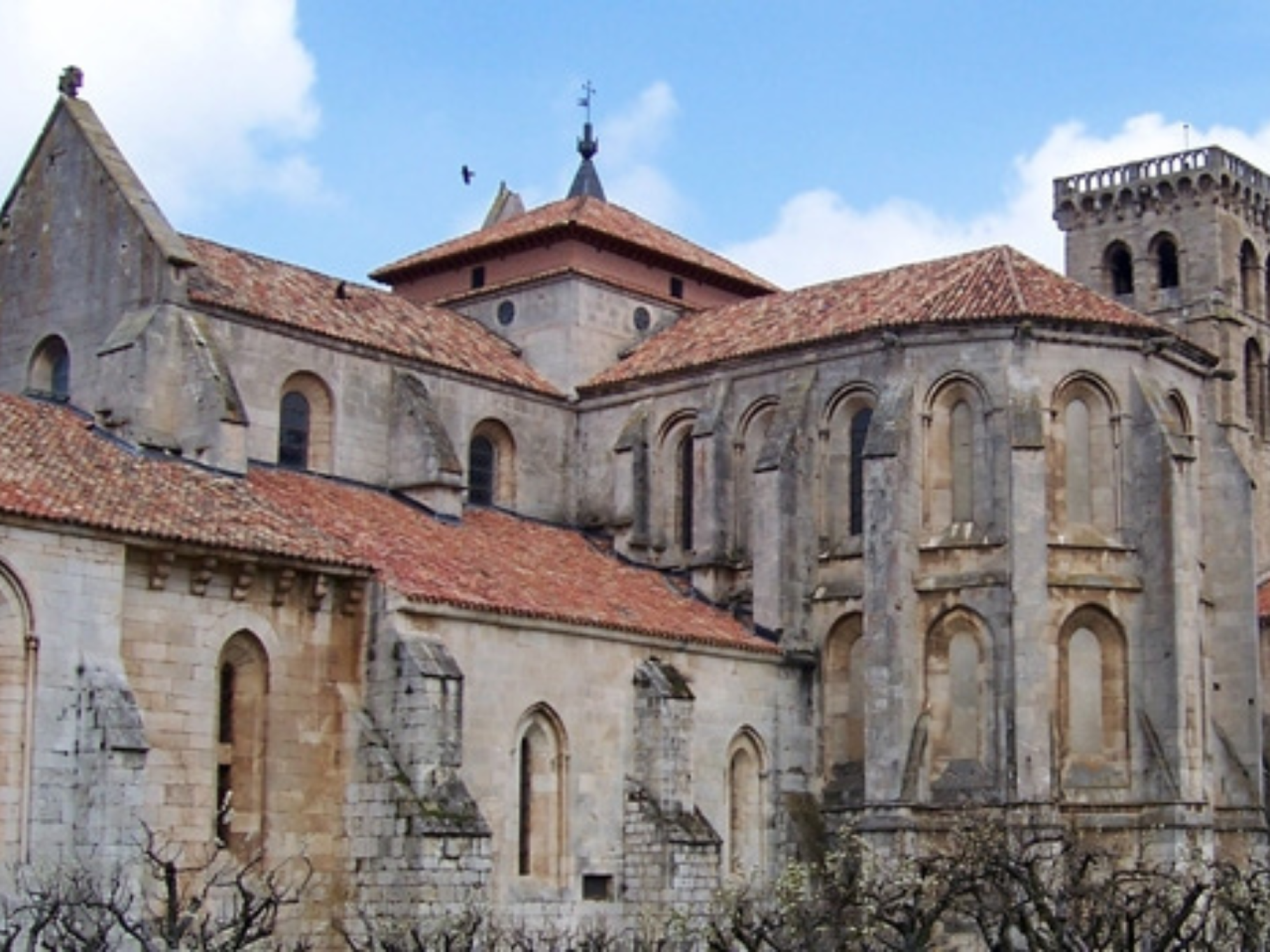
We begin with the Museum of Burgos, formerly known as the Provincial Archaeological Museum. Its galleries occupy two adjacent palaces: Casa de los Miranda and Casa de los Angulo. The museum is divided into several sections, from Archaeology to Contemporary Art.
We then continue to the Cathedral Museum, located inside the temple in the chapels of San Juan Bautista and Santiago, which house paintings and tapestries. This museum, reopened after the restoration of both chapels, impresses with both its content and its architecture.
Leaving the Cathedral’s treasures behind, we ascend through the old medieval city to reach the church of San Esteban, home to the Museum of the Altarpiece — one of the finest in Europe in its category.
Next to this remarkable museum stands another, recently built: the Caja de Burgos Art Center (CAB), which houses the institution’s collection of more than 300 works of art with a clear commitment to contemporary trends.
Otras Rutas
Abadía Hotel Routes
The monumental richness of the city of Burgos offers travellers attractive routes from every corner.
See more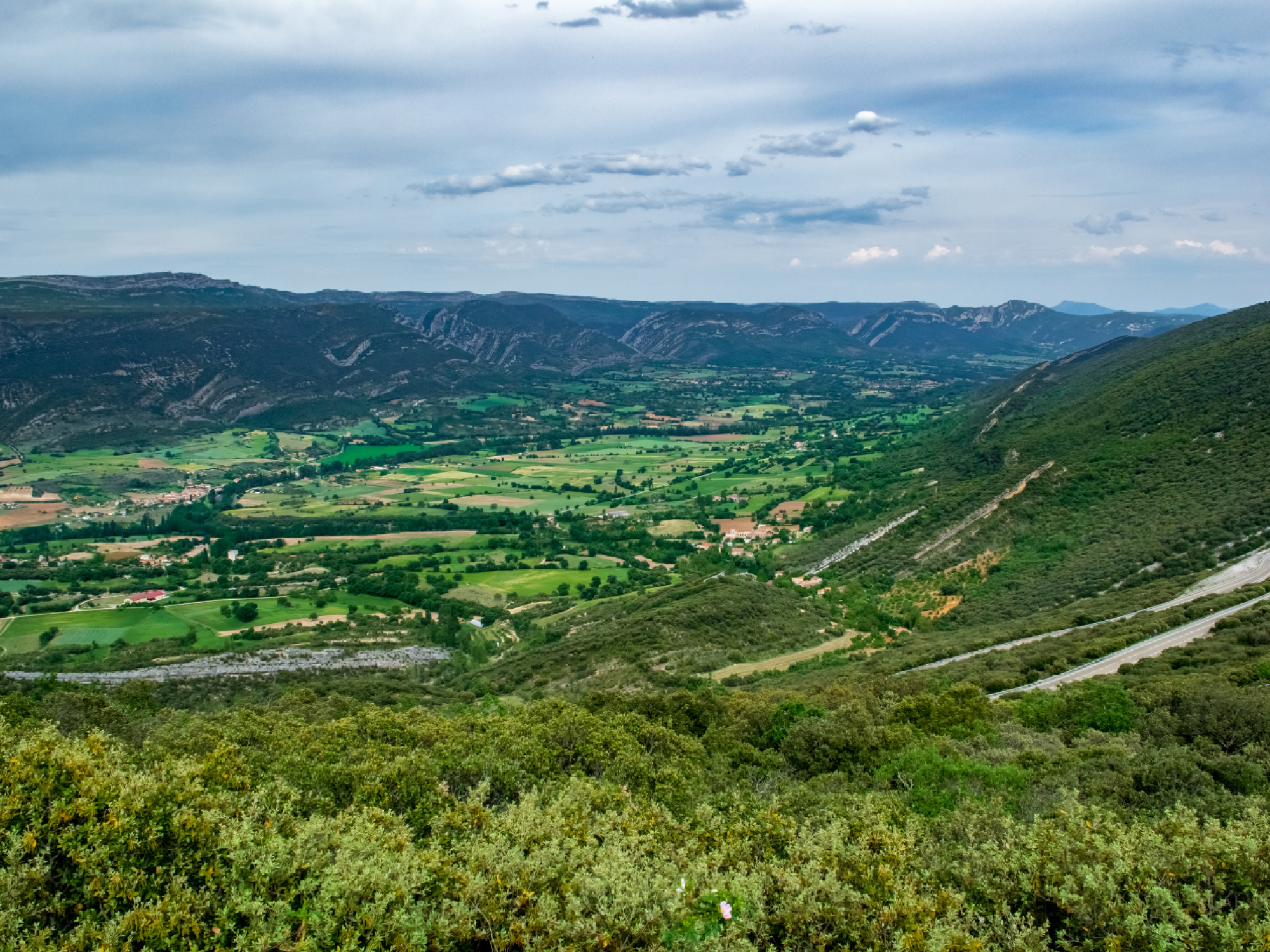
Merindades Route
A merindad was a territory placed under the authority and administration of a nobleman, the Merino, who, appointed by the king, held all kinds of powers and responsibilities.
The Merindades shape the greenest and most northern-spirited area of the province of Burgos.
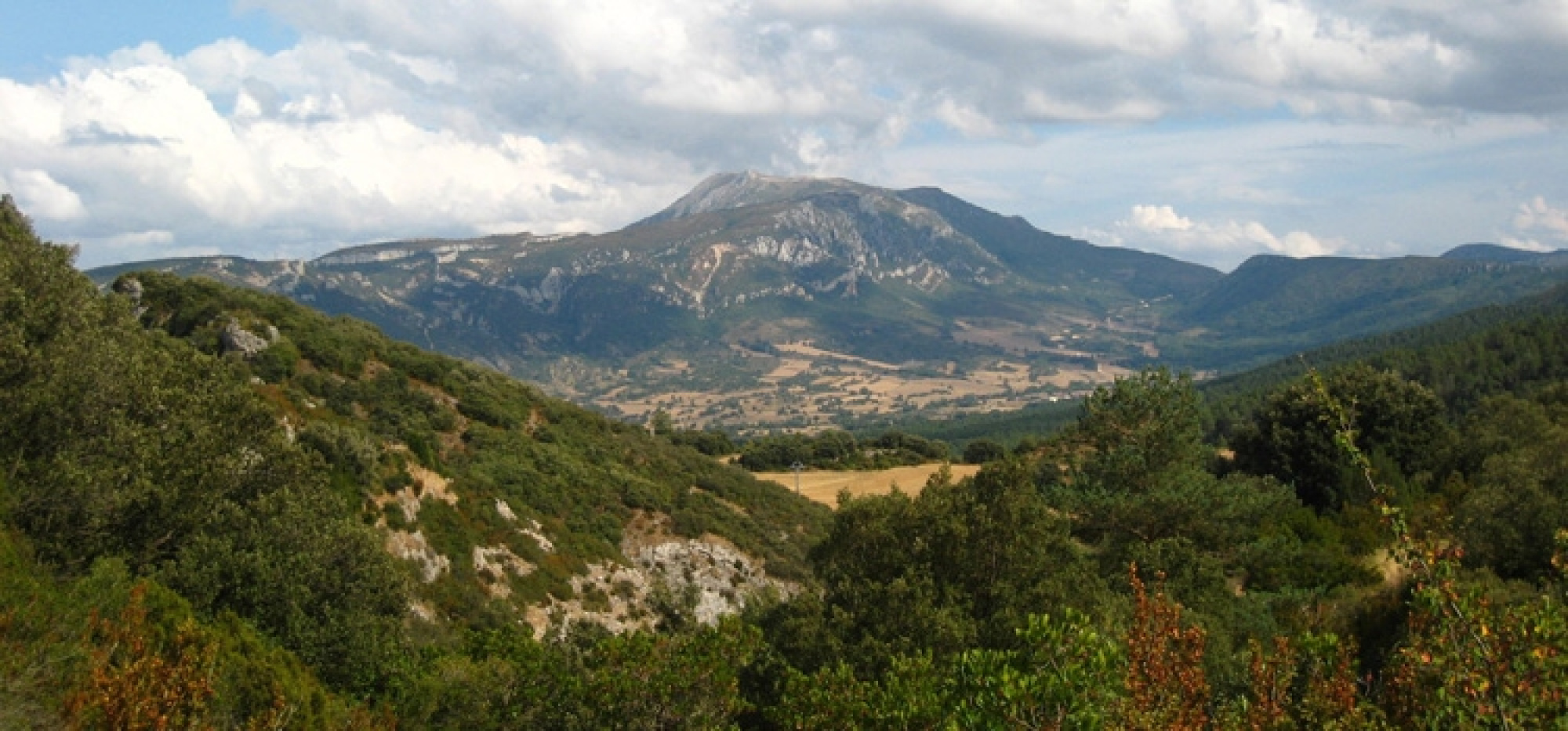
Gorges Route
This route of more than one hundred kilometres crosses unique landscapes in the north of Burgos, winding through canyons, gorges, and historic villages. A perfect itinerary to enjoy the scenery, the culture, and the most authentic essence of the province.
See more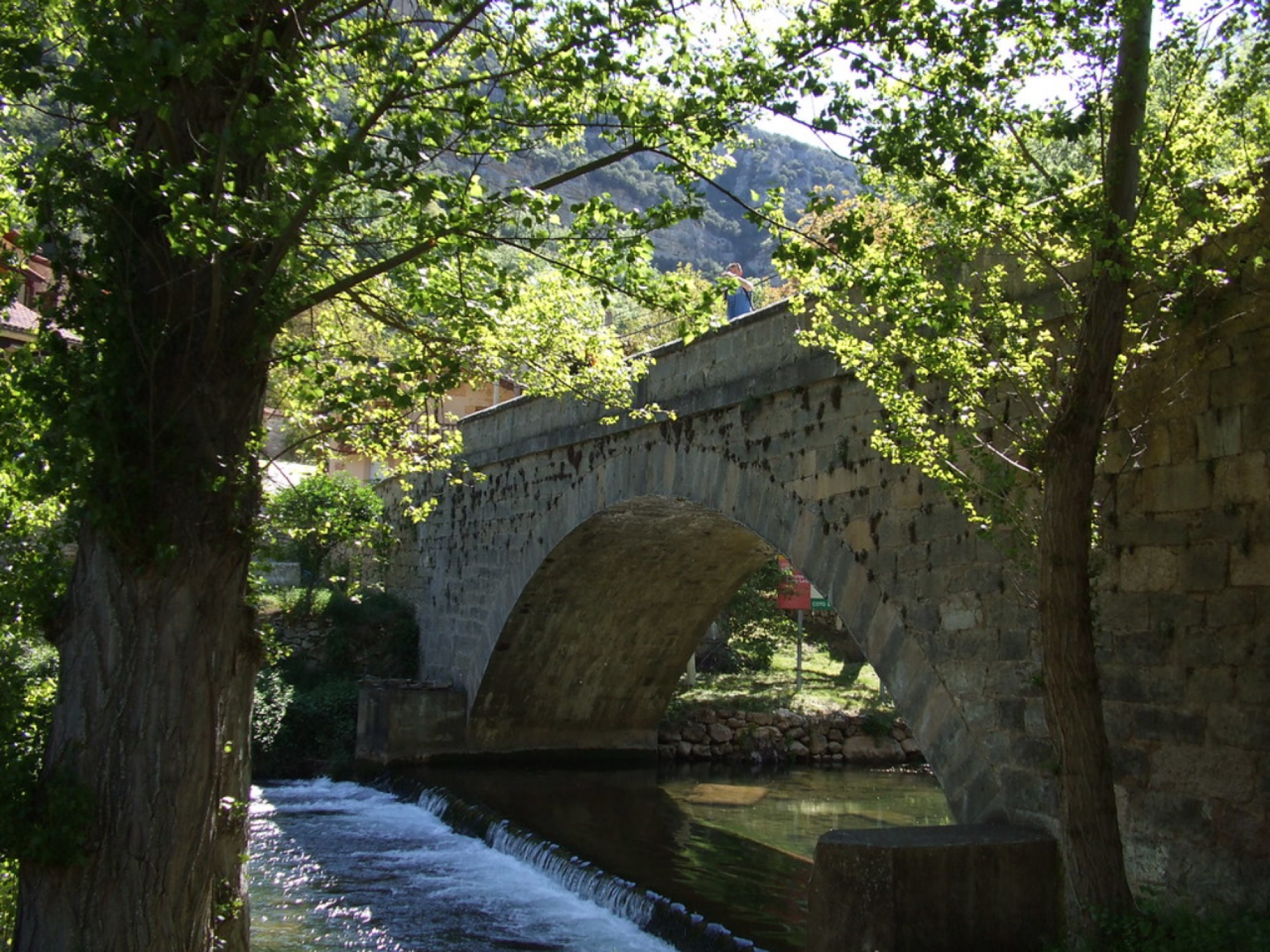
Valleys Route
It brings together some of the most representative landscapes of Burgos, an outstanding cultural heritage, charming towns, significant examples of art, a variety of ecosystems, and one of the most striking natural areas on the Iberian Peninsula.
See more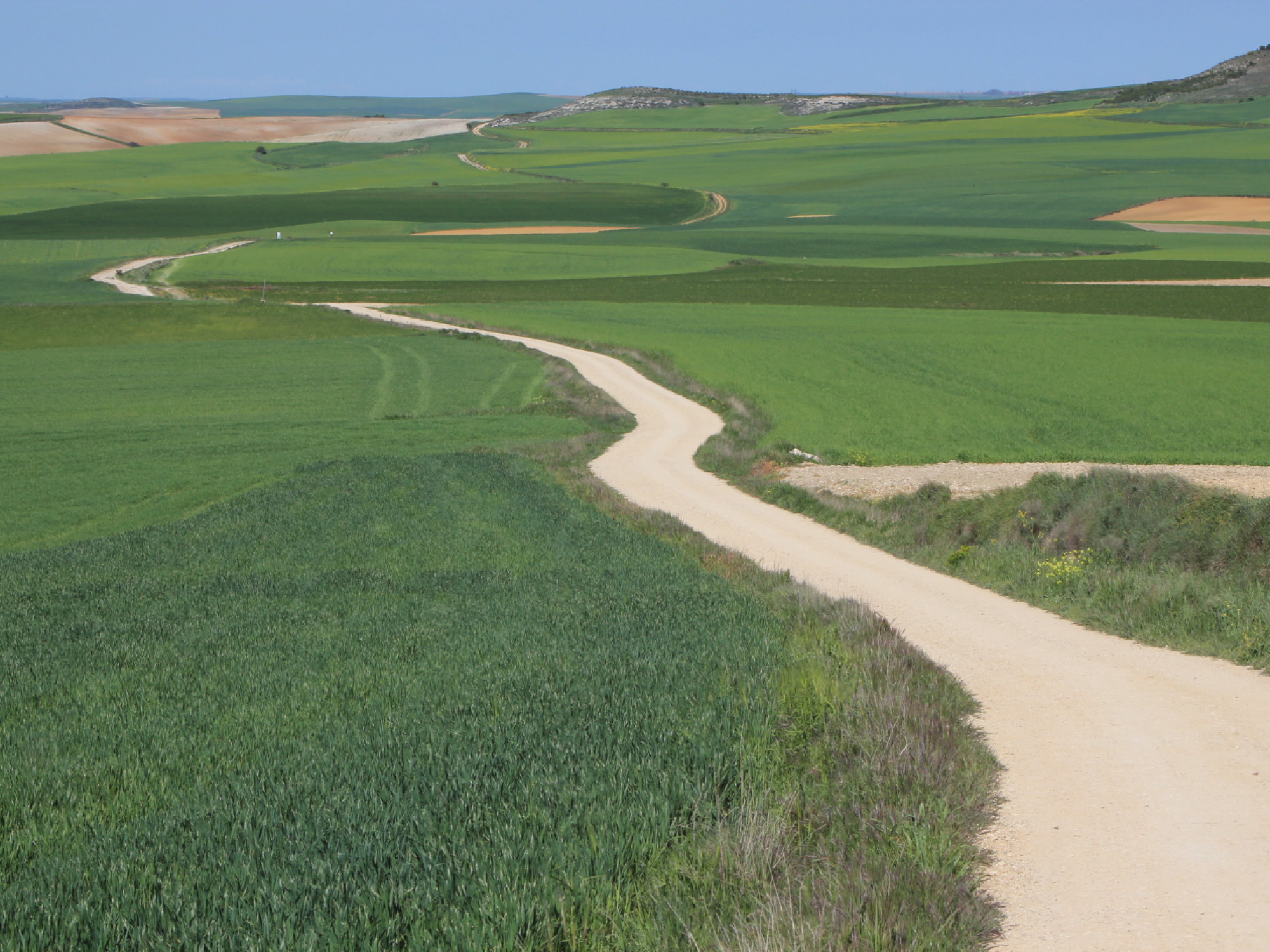
Fields Routes
This route travels through the region of Sedano and the Loras, a natural paradise where water, rock, and time have shaped unique landscapes.
Charming villages, Romanesque art, and spectacular canyons accompany the journey from Covanera to Orbaneja del Castillo.
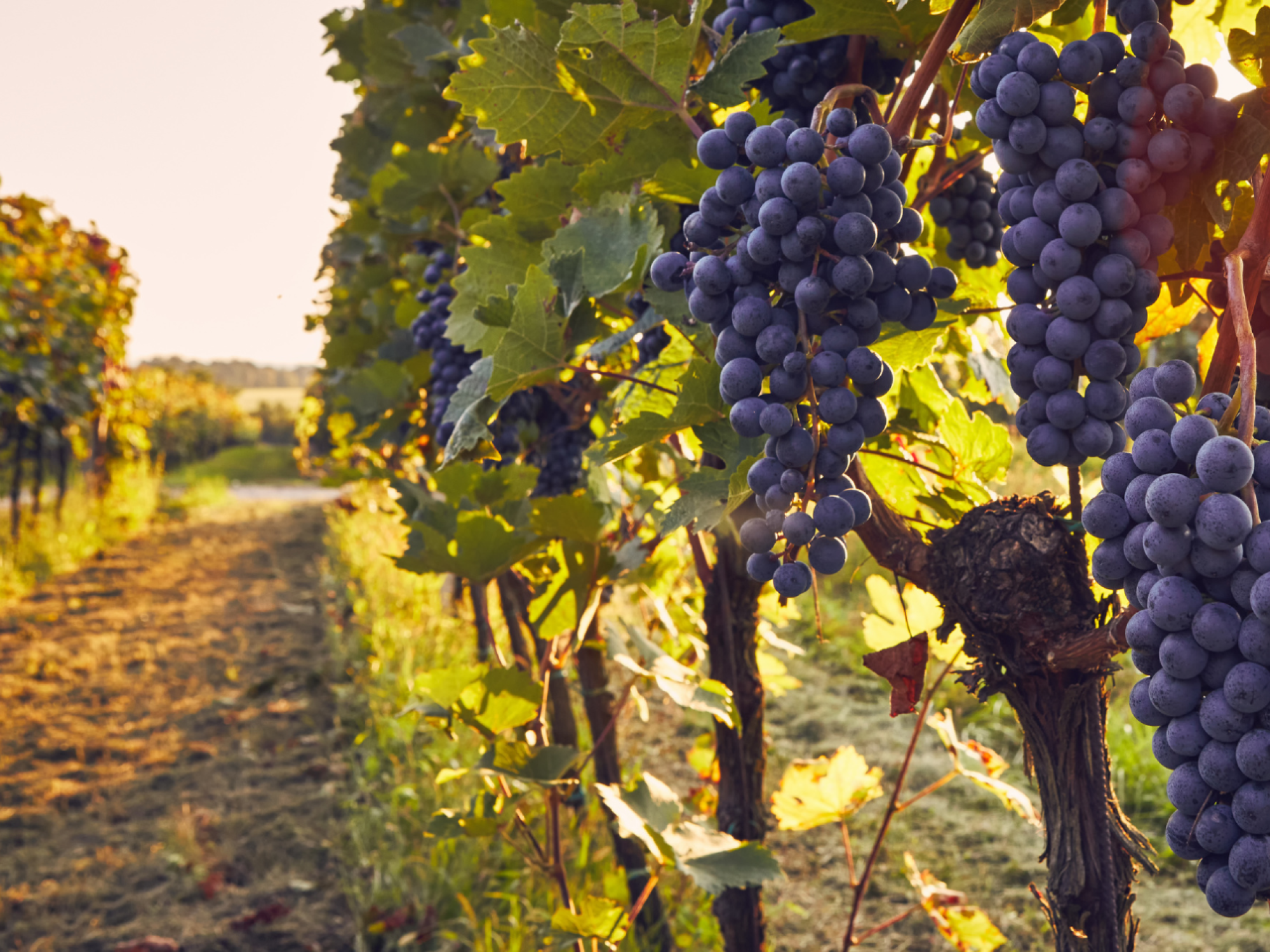
Ribera Route
This 90-kilometre itinerary is a journey through history, art, culture, and fine dining. The Ribera del Duero is, in many cases, synonymous with excellent wine, although it is much more than that.
See more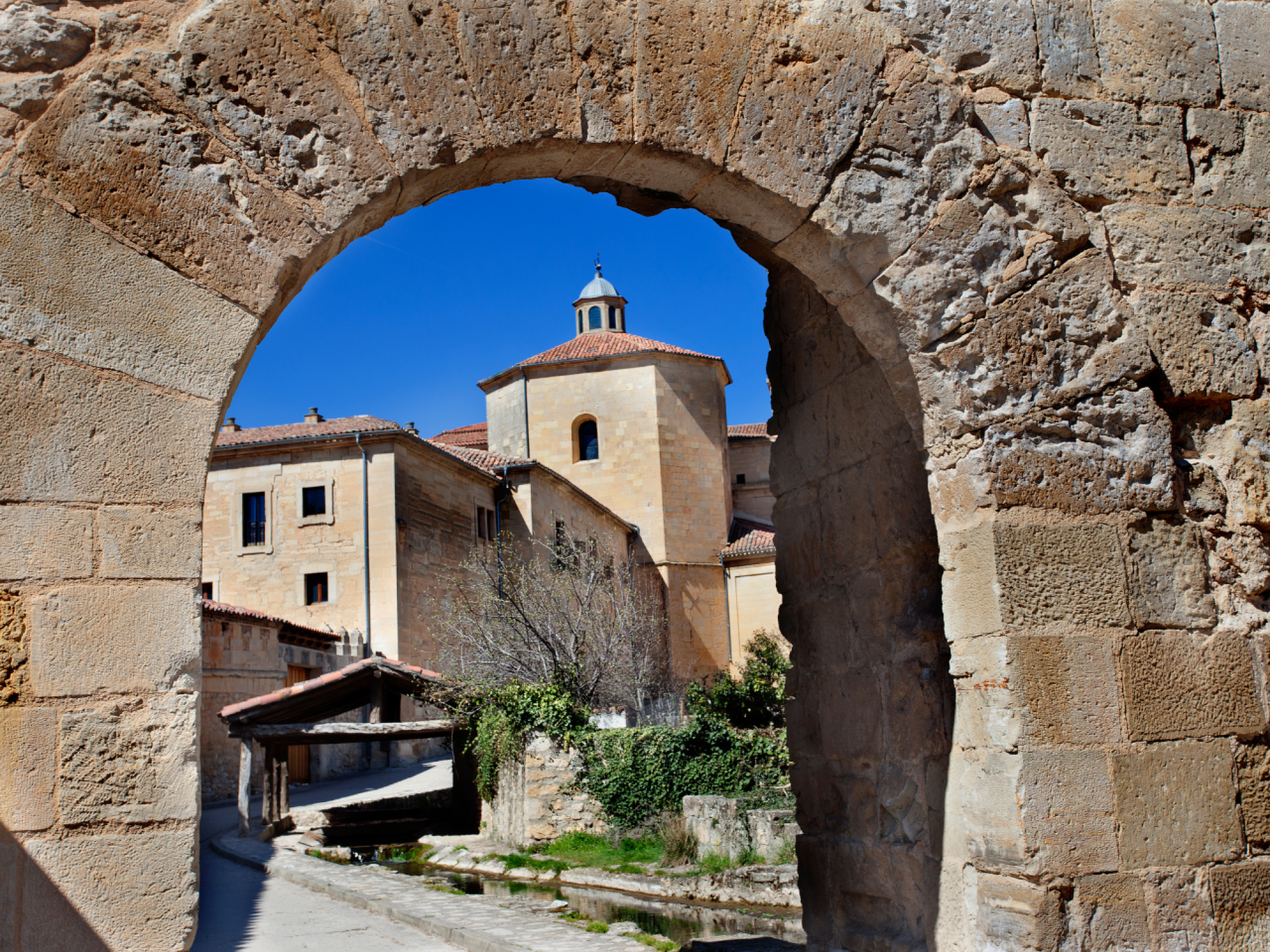
Silos Route
From Burgos to Santo Domingo de Silos.
One of the most attractive routes that can be taken from the city of Burgos leads, following the path taken by El Cid during his exile, to Covarrubias and Santo Domingo de Silos. Two must-visit towns that deserve a calm and thorough visit.
Cultural Tour
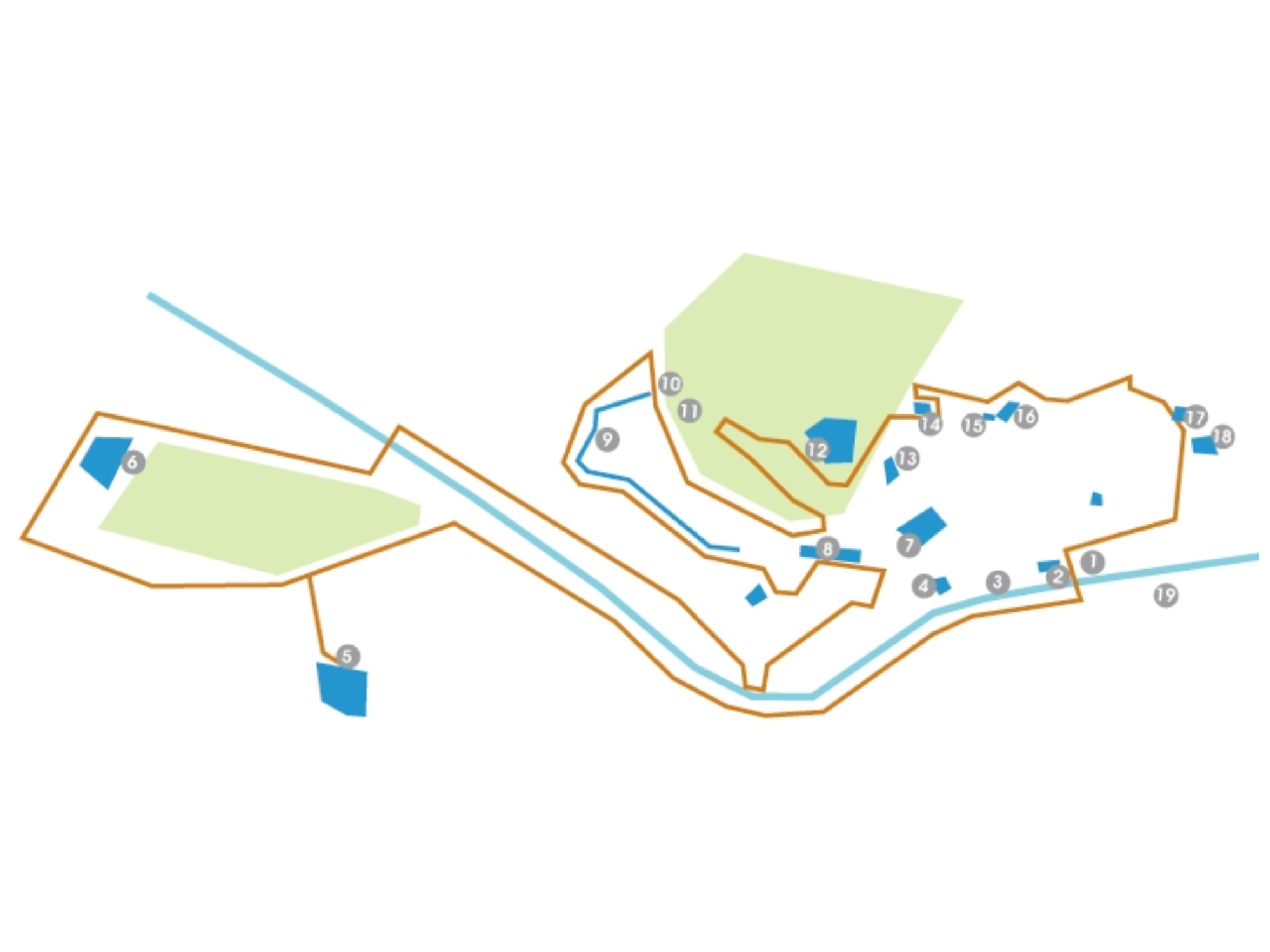
A tour around Burgos where you will find the most emblematic monuments and landmarks of the city.
A cultural route offered by the Burgos taxi service, with the option of a guided visit and availability in several languages.