
Fields Routes
Charming villages, Romanesque art, and spectacular canyons accompany the journey from Covanera to Orbaneja del Castillo.
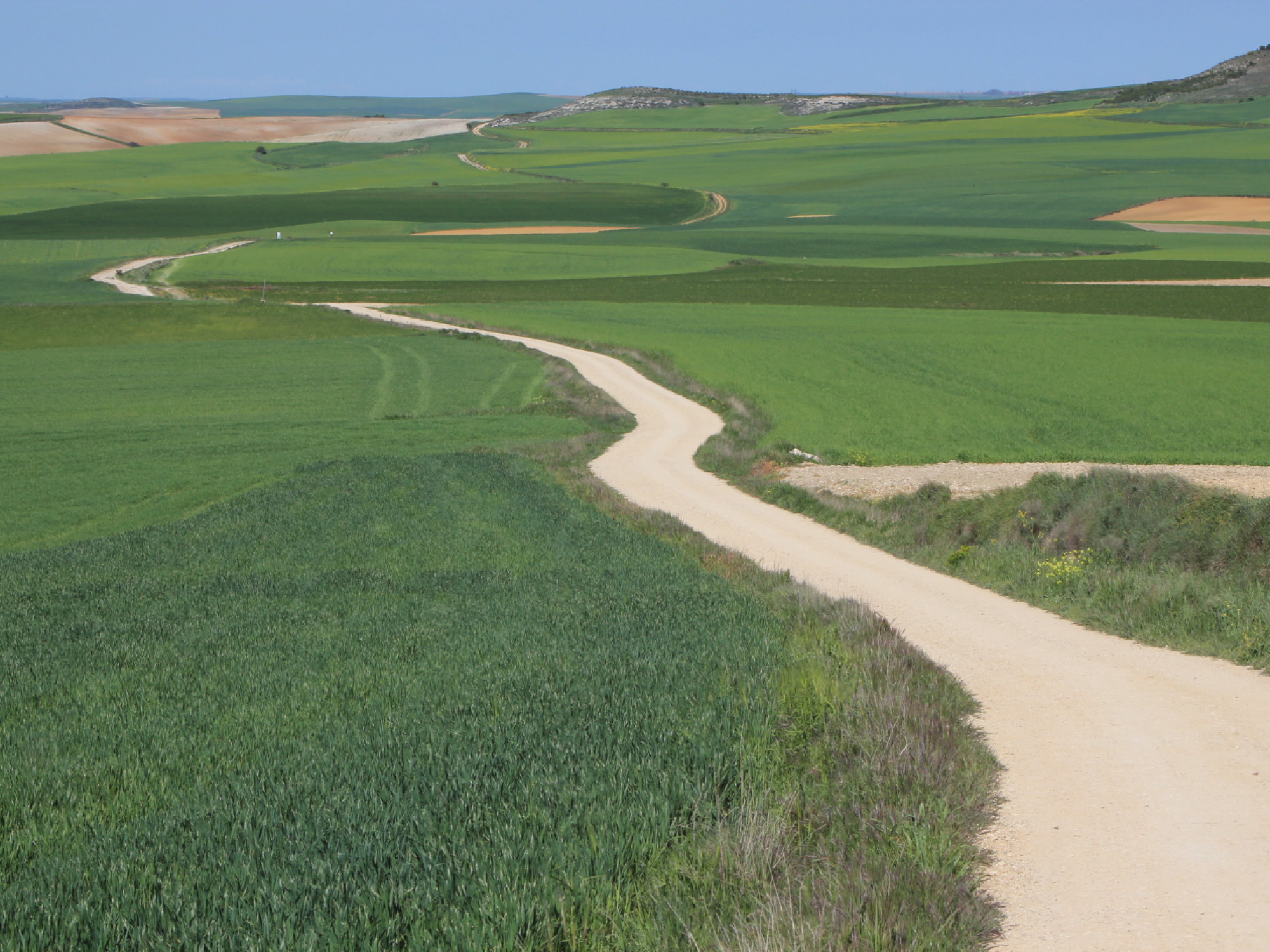
An itinerary that starts in Melgar de Fernamental will allow us to discover the section of the Canal of Castile that runs through Burgos. Here you will find the Abánades aqueduct, with five semicircular arches supporting the canal structure. Continuing on to San Llorente de la Vega, we come across one of the two Burgos locks of the canal. In addition, an environmentally friendly tourist boat offers an attractive tour along this stretch. Along the BU-601, we reach Grijalba, where we will visit the Gothic church of Santa María de los Reyes. A few kilometres further, we enter Sasamón, a town of Roman origin with a rich historical legacy.
Our next destination is Villasandino, with its bridge, its timber-framed houses, and above all, its magnificent Church of the Assumption. The BU-404 road leads us to Castrojeriz, a quintessential Jacobean town on the Camino de Santiago. A few kilometres away are the ruins of San Antón, a former Antonian convent that continues to be a stop for pilgrims. The route passes through Los Balbases, with its two neighbourhoods and churches filled with treasures, and concludes in Pampliega, on the banks of the River Arlanzón.
The majority of the towns and villages that dot the region are steeped in history and filled with an impressive array of artistic works. Castles, towers, walls, hermitages, churches, and monasteries of various periods and styles make this area one of the richest and most diverse in artistic heritage. Without a doubt, the passage of the Canal of Castile and the Camino de Santiago has greatly contributed to this important cultural value.
Meadows, moorlands, and open fields are the three geographical features that give this western region of Burgos a distinctive landscape identity. The materials in the area belong to the tertiary fill of the Duero basin and have been shaped by intense river erosion, creating extensive, relatively flat areas. This predominant and seemingly austere landscape holds great environmental value as an ecotope where a large number of steppe birds find refuge.
Otras Rutas
Urban Routes
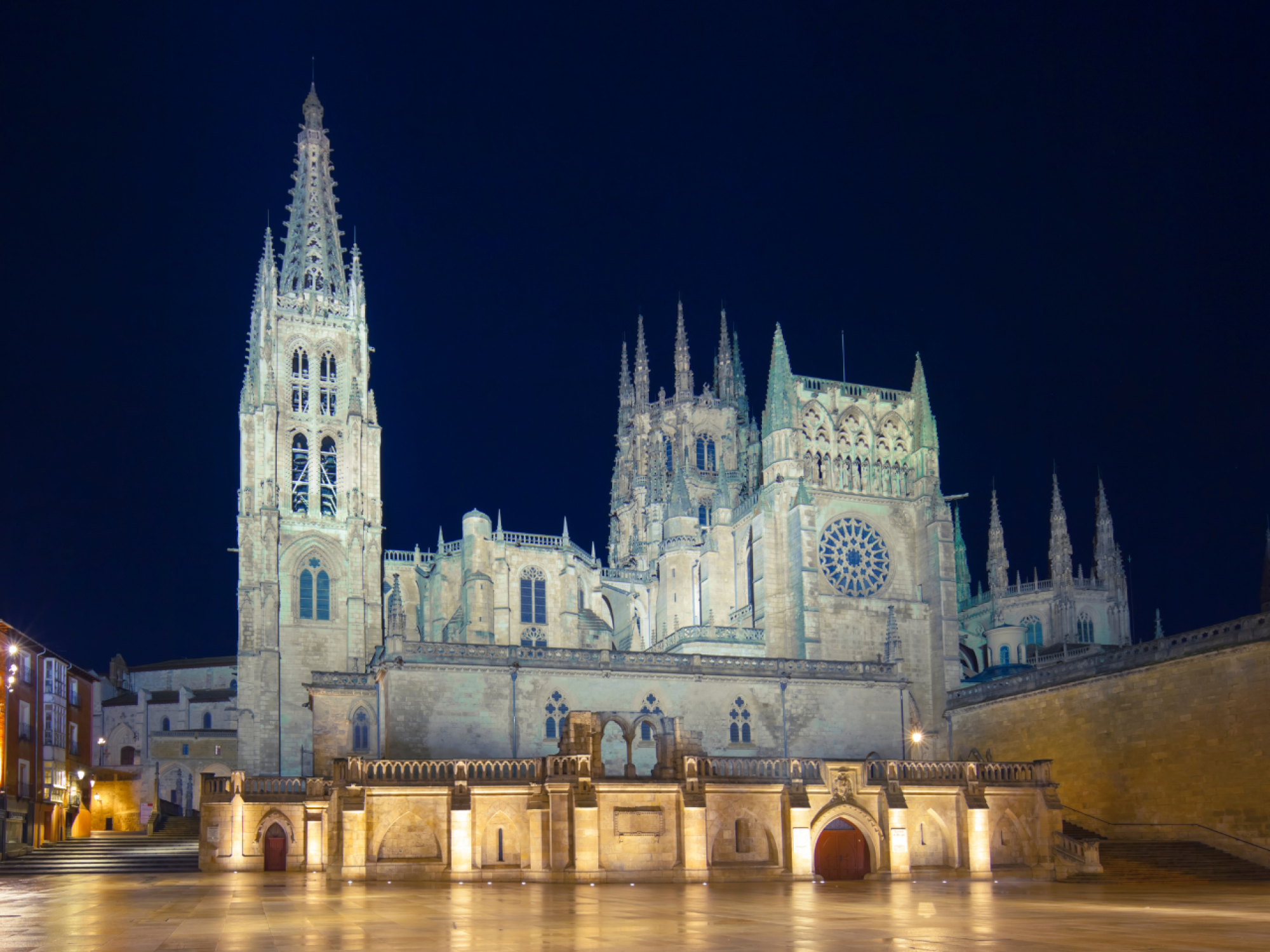
Discovering Burgos on foot is the best way to feel its history.
From the majestic Cathedral to its squares, parks, and lively corners, the urban routes guide you through a city where every street tells a story and every step invites you to keep exploring.
Abadía Hotel Routes
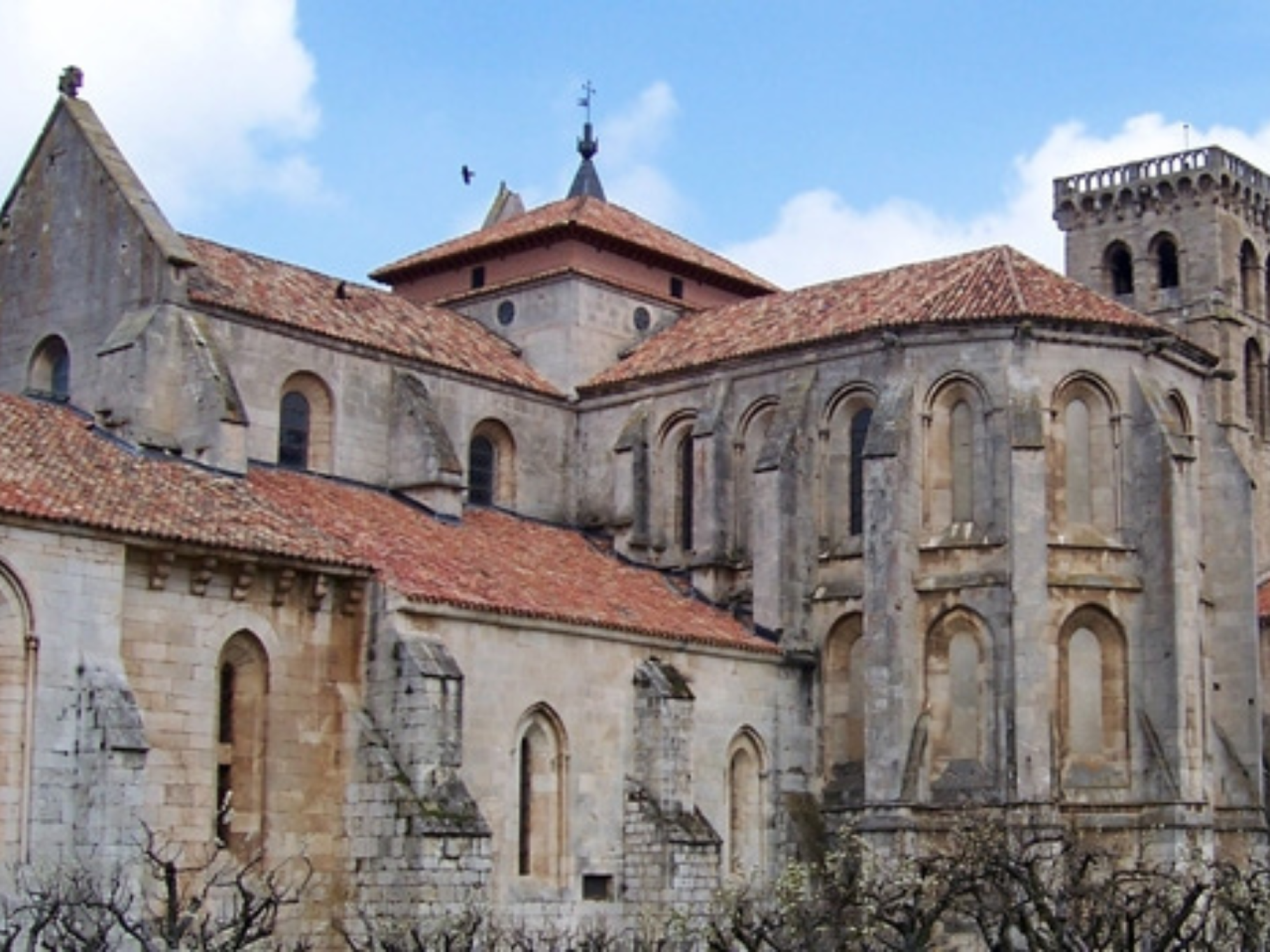
The monumental richness of the city of Burgos offers travellers attractive routes from every corner.
See more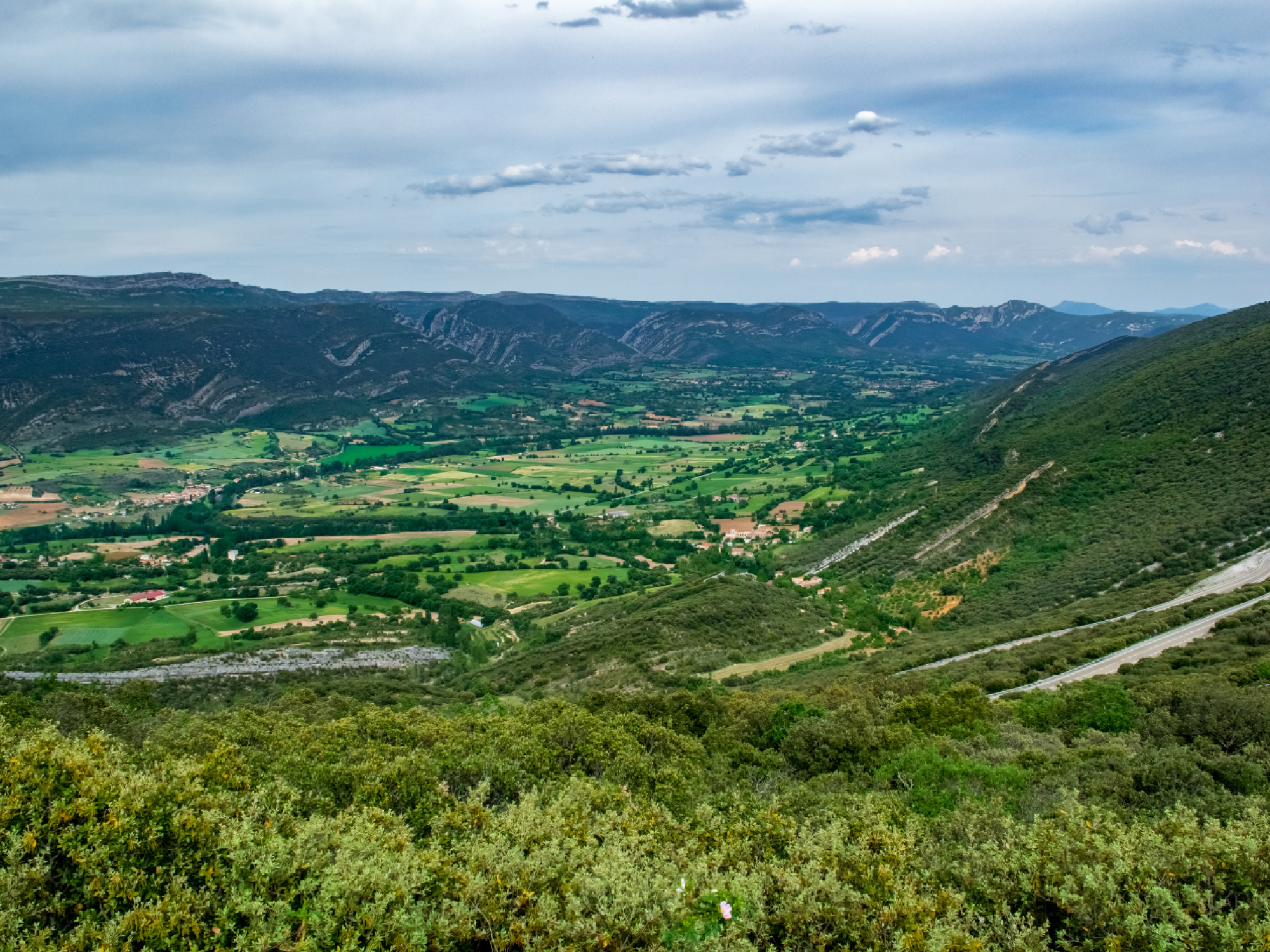
Merindades Route
A merindad was a territory placed under the authority and administration of a nobleman, the Merino, who, appointed by the king, held all kinds of powers and responsibilities.
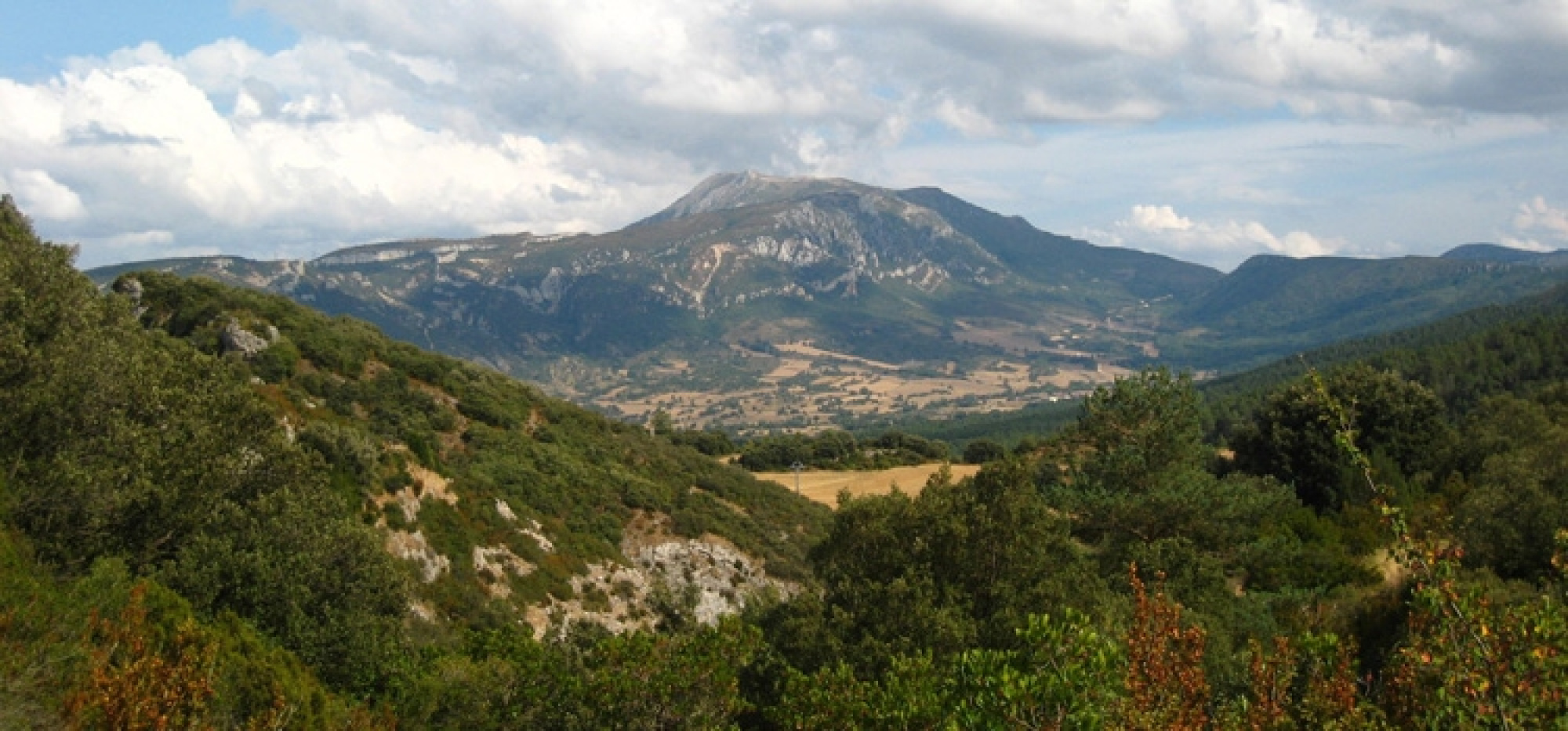
The Merindades shape the greenest and most northern-spirited area of the province of Burgos.
Gorges Route
This route of more than one hundred kilometres crosses unique landscapes in the north of Burgos, winding through canyons, gorges, and historic villages. A perfect itinerary to enjoy the scenery, the culture, and the most authentic essence of the province.
See more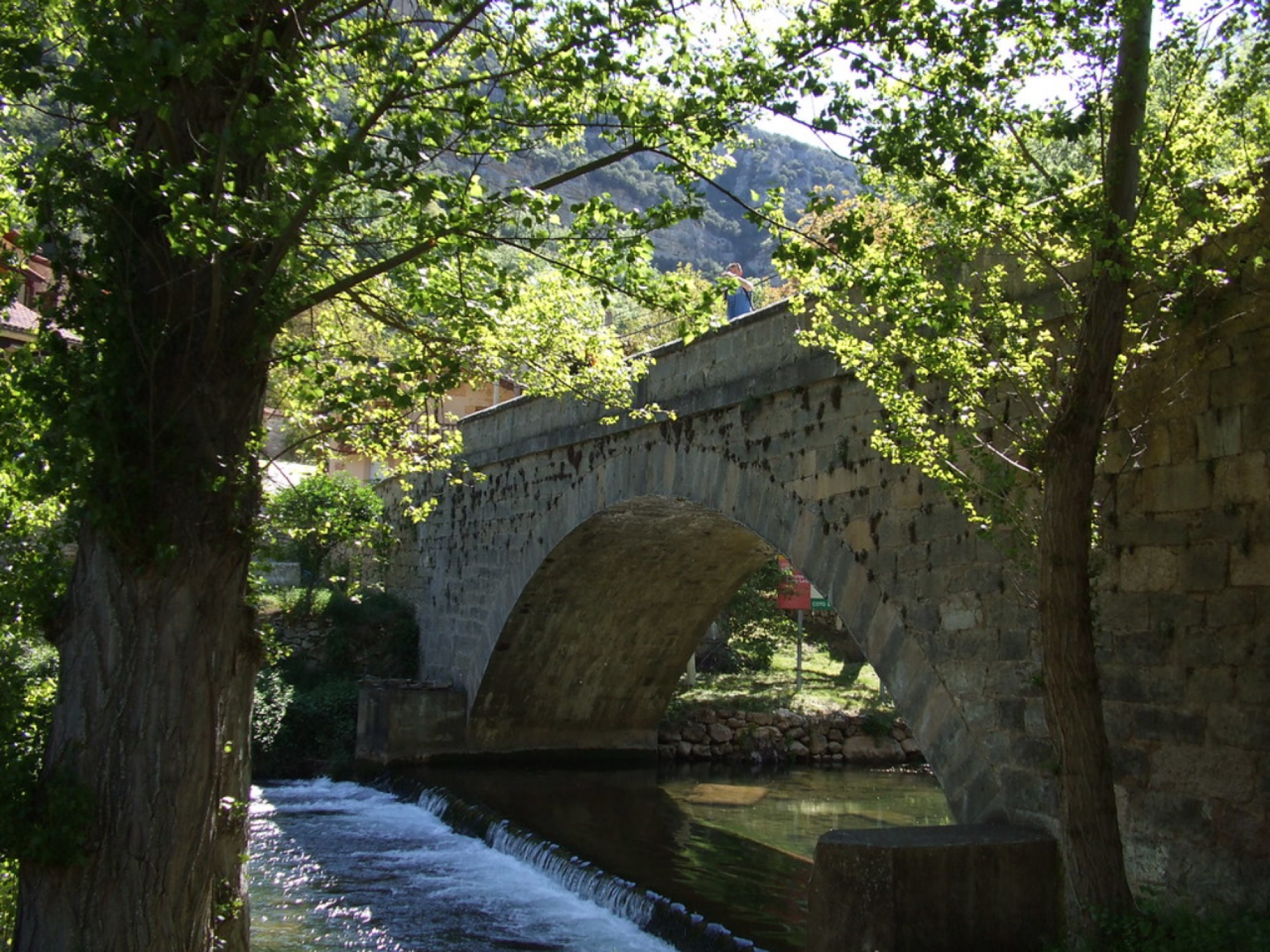
Valleys Route
It brings together some of the most representative landscapes of Burgos, an outstanding cultural heritage, charming towns, significant examples of art, a variety of ecosystems, and one of the most striking natural areas on the Iberian Peninsula.
See more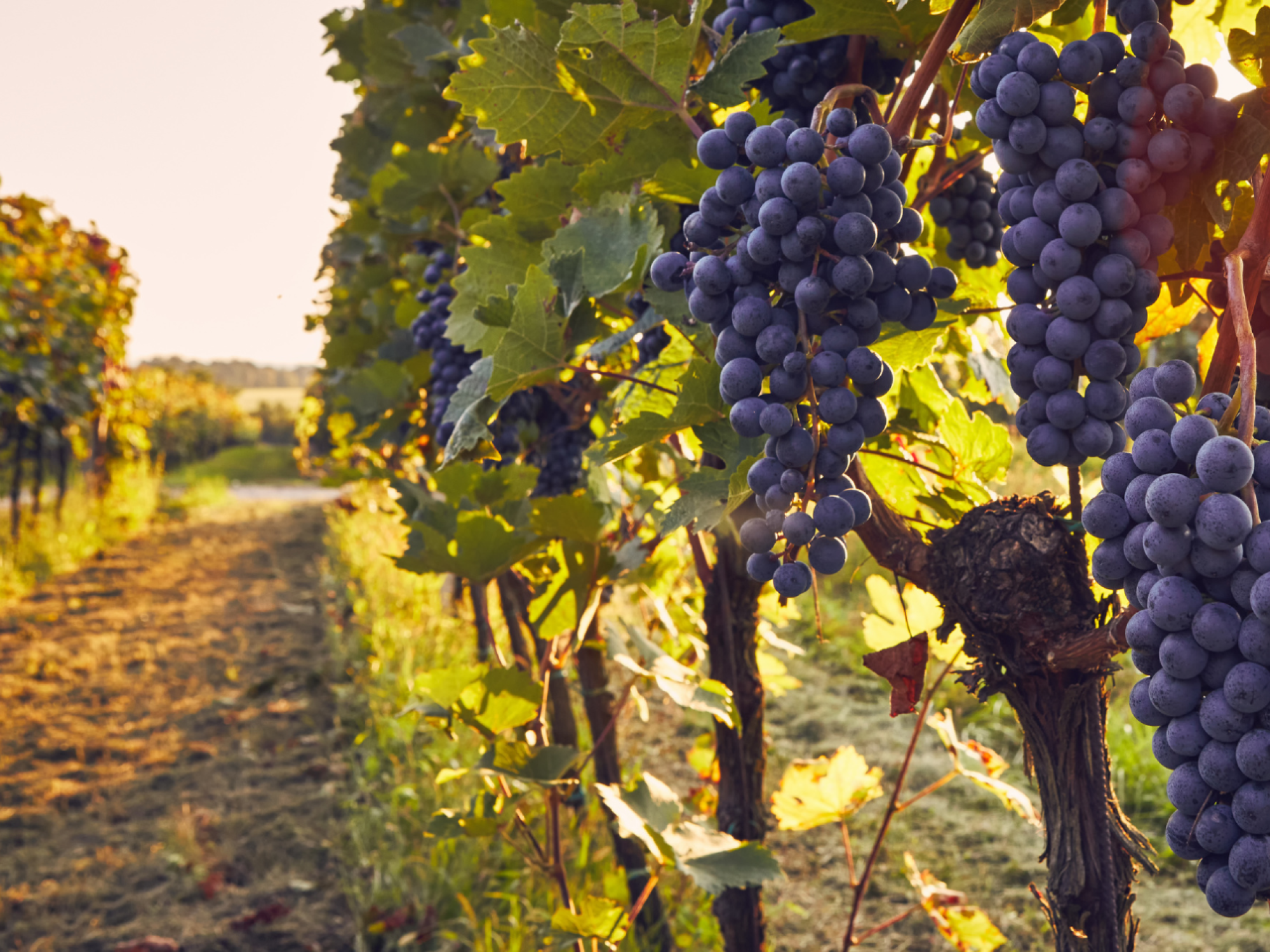
Ribera Route
This 90-kilometre itinerary is a journey through history, art, culture, and fine dining. The Ribera del Duero is, in many cases, synonymous with excellent wine, although it is much more than that.
See more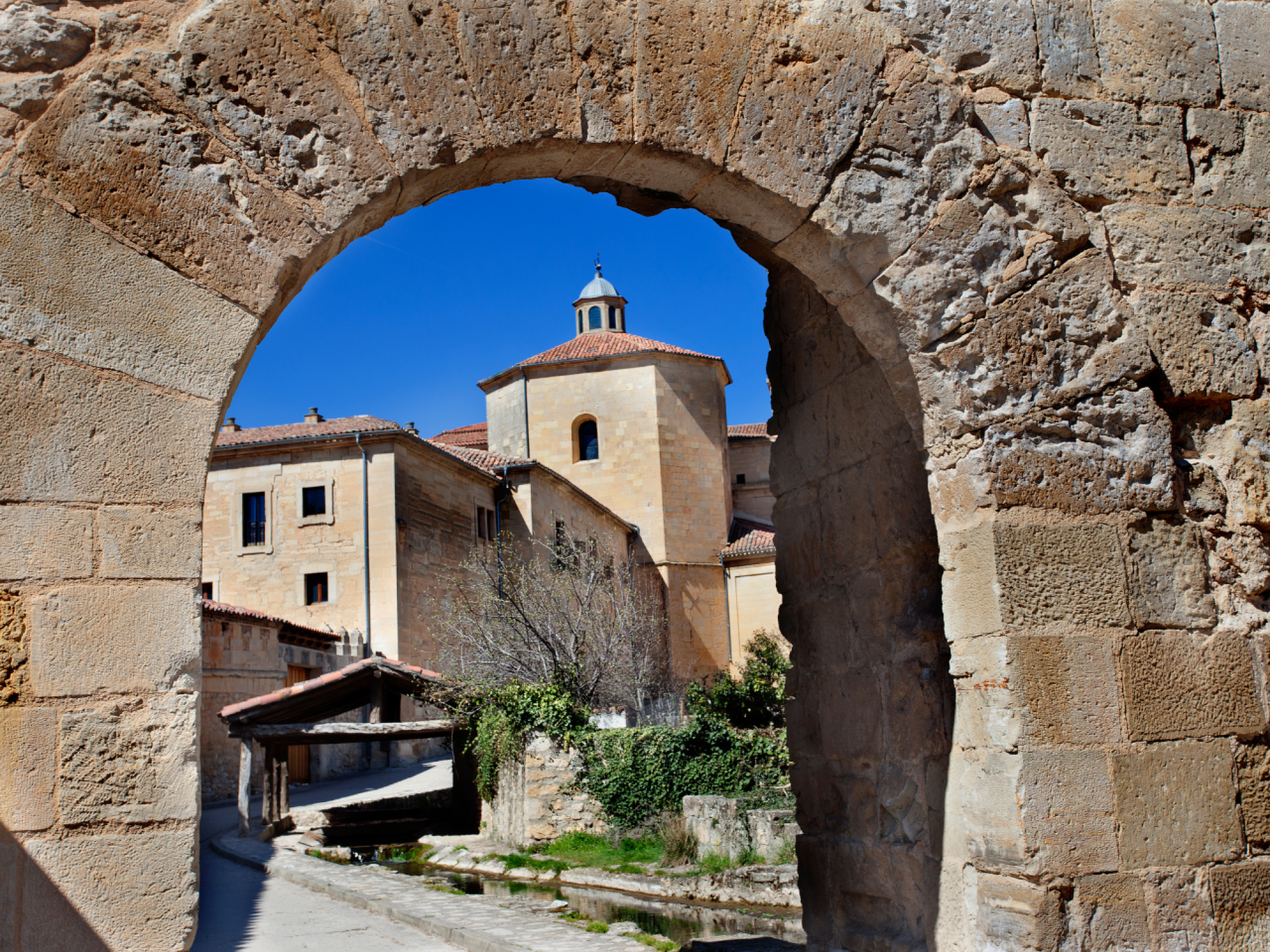
Silos Route
From Burgos to Santo Domingo de Silos.
One of the most attractive routes that can be taken from the city of Burgos leads, following the path taken by El Cid during his exile, to Covarrubias and Santo Domingo de Silos. Two must-visit towns that deserve a calm and thorough visit.
Cultural Tour
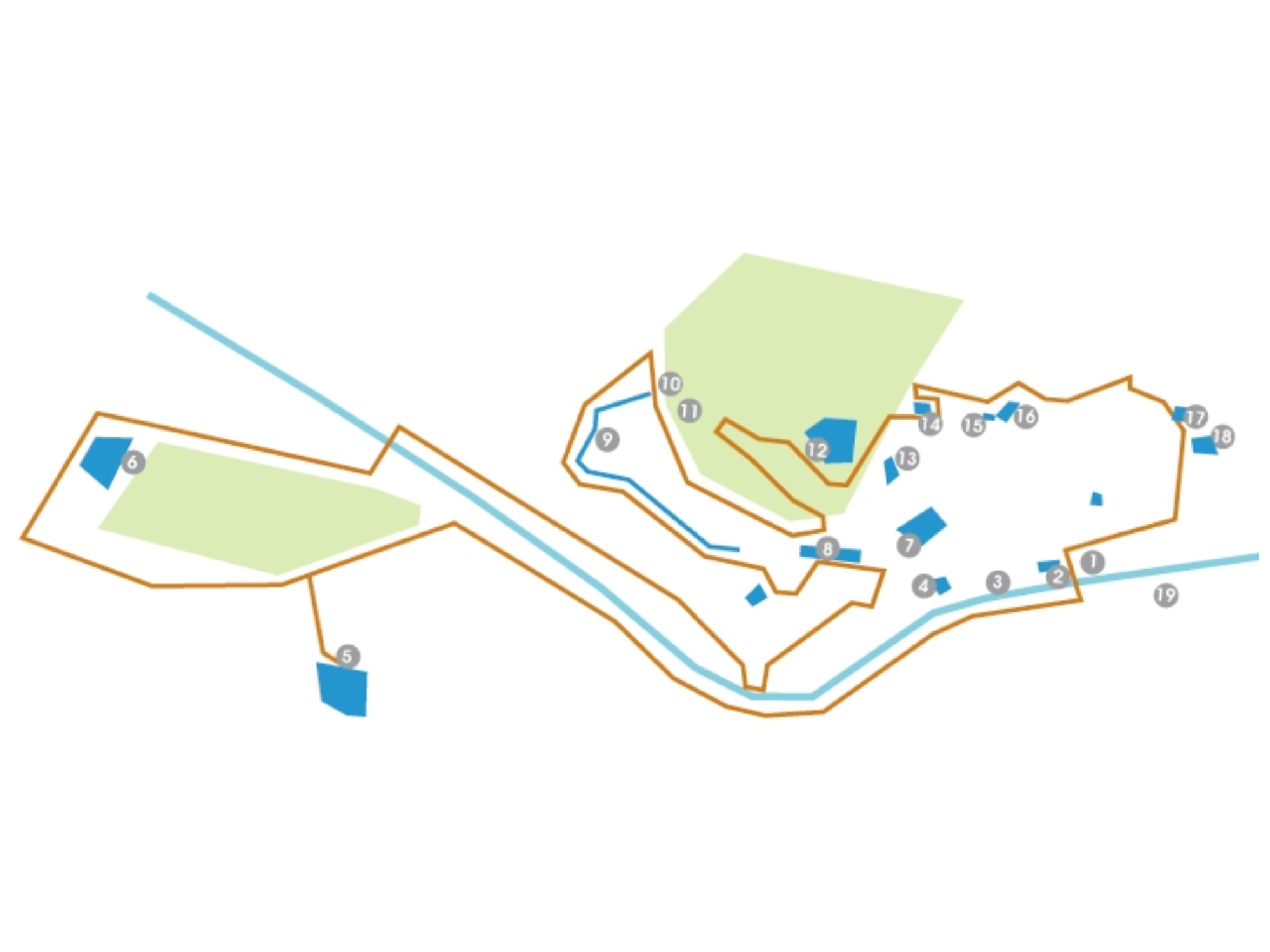
A tour around Burgos where you will find the most emblematic monuments and landmarks of the city.
A cultural route offered by the Burgos taxi service, with the option of a guided visit and availability in several languages.